Cody Cofer | June 24, 2026 | Criminal Law

Most people know they have rights when they are arrested, but fewer people understand how those rights apply in real-world situations. During an investigation or arrest, misunderstandings, procedural mistakes, and constitutional issues can sometimes arise. When that happens, the consequences can affect everything from the evidence used in court to the overall direction of a criminal case.
Knowing which three rights are most commonly challenged can help defendants better understand the criminal justice process in Fort Worth and recognize potential issues.
1. The Right to Remain Silent
The right to remain silent is one of the most important protections available to anyone accused of a crime. Protected by the Fifth Amendment, this right helps prevent individuals from being compelled to provide information that could later be used against them.
Interactions with police that may raise concerns include:
- Continued questioning after a person clearly states they want to remain silent
- Pressure or intimidation used to obtain statements
- Attempts to encourage admissions through misleading tactics
- Use of statements obtained in violation of constitutional protections
Many people feel obligated to explain themselves when speaking with law enforcement. However, remaining silent and requesting legal counsel is often the safest way to protect your interests during an investigation.
2. The Right to Be Free From Unreasonable Searches and Seizures
The Fourth Amendment protects individuals against certain government searches and seizures. While law enforcement officers can conduct searches in some circumstances, they generally must comply with constitutional requirements when doing so.
Examples of situations that may lead to legal challenges include:
- A home search conducted without a warrant or recognized exception
- A vehicle search that exceeds the scope of a lawful stop
- Seizure of personal property without proper legal justification
- Detention that continues longer than legally permitted
Search-and-seizure issues are often heavily contested in criminal cases because physical evidence can play a significant role in the prosecution’s case.
3. The Right to an Attorney
The right to legal representation is protected by both the Fifth and Sixth Amendments and serves as a critical safeguard within the criminal justice system. Access to counsel helps ensure that individuals understand the charges they face and can make informed decisions throughout the legal process.
Potential violations may involve:
- Denying access to legal counsel after a request has been made
- Continuing questioning after an attorney has been requested
- Interfering with communications between attorney and client
- Failing to provide counsel when required by law
Without legal guidance, a person may unknowingly waive important rights or make decisions that negatively affect their case.
What Happens If a Constitutional Right Is Violated?
Not every constitutional violation automatically results in dropped charges or a dismissal. However, courts may take steps to address violations when they occur.
Possible legal remedies may include:
- Excluding evidence from trial
- Preventing certain statements from being introduced
- Challenging investigative procedures
- Filing motions seeking other forms of relief
The outcome depends on the specific facts of the case and the nature of the alleged violation. Courts typically evaluate these issues individually rather than applying a one-size-fits-all rule.
Why Documentation Can Matter After an Arrest
After an arrest, details can become difficult to remember as time passes. Keeping track of important information may help preserve facts that become relevant later.
Helpful information to document may include:
- The location and time of the encounter
- Names or identifying information of officers involved
- Contact information for witnesses
- Notes regarding statements or instructions provided by law enforcement
Even details that seem insignificant at the time can sometimes become important when evaluating whether a person’s rights were respected.
Contact the Fort Worth Criminal Defense Lawyers at Cofer Luster Criminal Defense Lawyers Today for a Confidential Case Review
Constitutional protections are designed to safeguard individuals throughout the criminal justice process. When questions arise about whether those protections were respected, understanding your legal rights becomes especially important.
If you have concerns about how law enforcement handled an investigation, arrest, or search, our Fort Worth criminal defense attorneys at Cofer Luster Criminal Defense Lawyers can help you better understand whether your rights were protected and what options may be available moving forward. Call us today at (682) 777-3336 to schedule an initial consultation to learn more.
We serve the surrounding areas of Tarrant County and Fort Worth, TX.
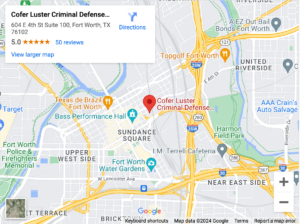
Cofer Luster Criminal Defense Lawyers
604 E 4th St Ste 101
Fort Worth, TX 76102